Tendonitis in the Feet: A Complete Guide to Causes, Treatment & Recovery
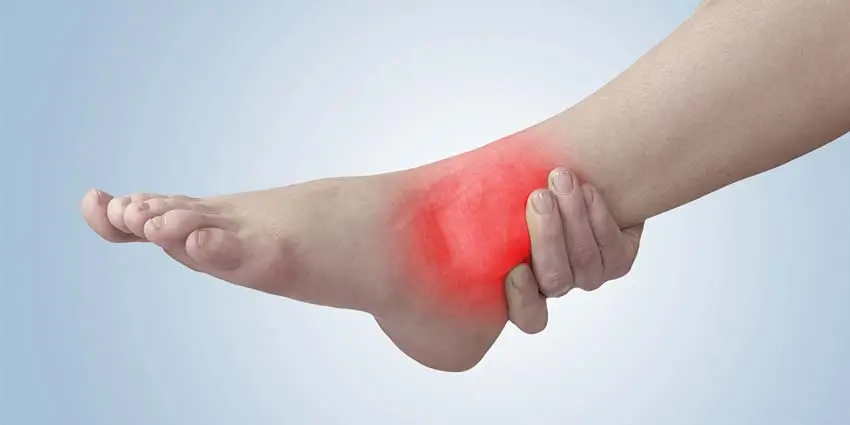
What is Foot Tendonitis? Definition & Overview
Tendonitis (also spelled tendinitis) is inflammation or irritation of the tendons—thick fibrous cords that connect muscles to bones. In the feet and ankles, Achilles tendonitis is the most common form, affecting the Achilles tendon that connects your calf muscles to your heel bone.
When you have tendonitis, you may experience:
- Sharp or burning pain in the affected area
- Stiffness and reduced range of motion
- Weakness in the tendon
- Swelling and warmth around the tendon
- Pain that worsens with activity
Why it matters: Left untreated, tendonitis can progress to tendon tears or ruptures, requiring surgery and prolonged recovery. Early intervention and proper treatment significantly improve outcomes.
Common Types of Foot Tendonitis
Achilles Tendonitis
The most prevalent form affecting the Achilles tendon at the back of the heel. Common in runners, dancers, and people who increase activity suddenly.
Posterior Tibial Tendonitis
Affects the tendon on the inner side of the foot, often causing arch pain and flat foot symptoms.
Peroneal Tendonitis
Involves tendons on the outer side of the ankle, frequently occurring in dancers and athletes.
Flexor Hallucis Longus Tendonitis
Affects the tendon running along the sole of the foot beneath the big toe.
What Causes Foot Tendonitis? Risk Factors & Contributing Factors
Primary Causes
1. Overuse & Repetitive Stress
- The leading cause of tendonitis
- Accumulation of micro-tears from repetitive motion
- Common in runners, dancers, tennis players, and gym enthusiasts
- Sudden increases in activity intensity or duration
- Elderly individuals with naturally weaker, degenerative tendons
2. Inadequate Footwear
- Shoes lacking proper arch support
- Insufficient shock absorption
- Poor-fitting shoes causing abnormal foot mechanics
- Worn-out athletic shoes that have lost cushioning
- Fashion footwear prioritized over functional support
3. Biomechanical Issues
- Overpronation (foot rolling inward excessively)
- Supination (foot rolling outward)
- Flat feet or high arches
- Leg length discrepancies
- Tight calf muscles or hamstrings
4. Poor Technique & Form
- Unstable running gait or poor running form
- Improper dance technique
- Incorrect weight distribution during exercise
- Sudden changes in training style
5. Training Environment
- Running on hard surfaces (concrete, asphalt)
- Lack of shock-absorbing surfaces
- Uneven terrain increasing stress on specific tendons
- Inadequate warm-up before activity
6. Age & Degeneration
- Tendons become less flexible with age
- Reduced blood supply to tendons over time
- Cumulative wear and tear
- Associated with conditions like arthritis
7. Other Contributing Factors
- Inflexibility and tight muscles
- Weakness in supporting muscles
- Rapid return to activity after time off
- High-impact sports without proper conditioning
- Systemic conditions like rheumatoid arthritis
Symptoms of Foot Tendonitis
Acute Symptoms (Early Stage)
- Sudden onset of pain near the tendon
- Mild swelling
- Stiffness, especially in the morning
- Pain that worsens with activity
Chronic Symptoms (Ongoing/Untreated)
- Persistent pain during and after activity
- Noticeable weakness when pushing off or gripping with toes
- Visible swelling or thickening of the tendon
- Difficulty walking, running, or participating in sports
- Pain that affects daily activities
- Morning stiffness that improves slightly with activity
When to See a Podiatrist
- Pain lasting more than 2 weeks despite rest
- Significant swelling or warmth
- Inability to bear weight
- Popping or snapping sensations
- Symptoms interfering with daily function
Effective Treatment Options for Foot Tendonitis
Conservative (Non-Surgical) Treatment
1. Rest & Activity Modification
- Avoid high-impact activities that trigger pain
- Take complete rest from the aggravating activity
- Gradually return to activity as pain improves
- Modify activities to reduce tendon stress
- Important: Continued use can cause tendon rupture—a serious complication requiring surgery
2. Ice Therapy
- Apply ice to the affected area for 15-20 minutes
- Use ice 2-3 times daily, especially after activity
- Wrap ice in a towel to protect skin
- Reduces inflammation and provides pain relief
- Most effective in the first 48 hours
3. Compression
- Use compression sleeves or braces to support the tendon
- Reduces swelling and prevents excessive movement
- Provides stability during walking and light activity
- Allows gradual return to movement while protected
4. Elevation
- Rest the affected foot on a pillow or chair
- Elevate above heart level when possible
- Reduces swelling and improves circulation
- Helpful especially at night and during recovery periods
5. Anti-Inflammatory Medications
- Over-the-counter NSAIDs (ibuprofen, naproxen)
- Reduces pain and inflammation
- Take as directed on packaging
- Consult your doctor before long-term use
6. Targeted Stretching & Flexibility Work
- Gentle calf stretches and Achilles stretches
- Plantar fascia stretches
- Improves tendon flexibility and reduces tension
- Always warm up before stretching
- Avoid aggressive stretching during acute inflammation
7. Strengthening Exercises
- Progressive exercises to rebuild tendon strength
- Eccentric exercises (lengthening contractions) particularly effective
- Improves muscular support for the tendon
- Reduces re-injury risk
- Should be introduced gradually as pain decreases
Professional Treatment
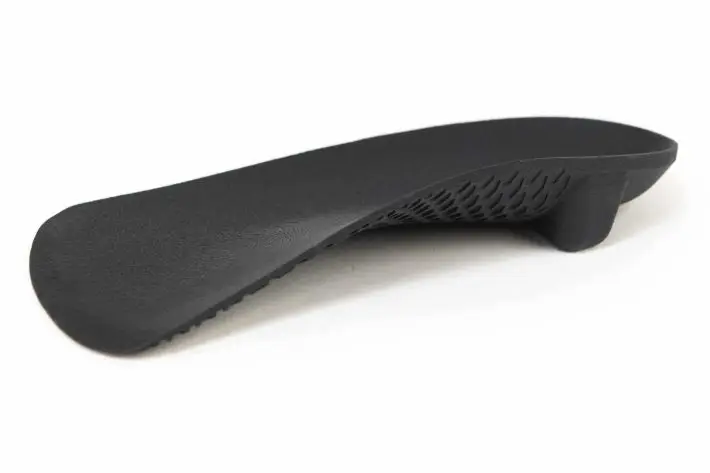
Custom Orthotics
- Prescription shoe inserts tailored to your biomechanics
- Correct overpronation or other gait abnormalities
- Reduce stress on affected tendons
- Provide arch support and heel cushioning
- Can be combined with heel lifts for Achilles tendonitis
- Particularly effective for long-term management
Heel Pads & Inserts
- Reduces strain on the Achilles tendon
- Lifts the heel to decrease tendon tension
- Available as over-the-counter or custom options
- Often combined with orthotics for better results
Physical Therapy
- Supervised exercises and stretching programs
- Gait analysis and correction
- Manual therapy techniques
- Progressive loading protocols
- Typically 4-8 weeks duration
Podiatrist Assessment
- Evaluation of biomechanical issues
- Identification of contributing factors
- Personalized treatment recommendations
- Monitoring of progress and adjustment of treatment
- Early intervention prevents progression
Advanced Treatment (If Conservative Treatment Fails)
Corticosteroid Injections
- Reduces inflammation and pain
- Typically limited to 2-3 injections per year
- Short-term relief while other treatments work
- Requires careful technique to avoid tendon weakening
Platelet-Rich Plasma (PRP) Therapy
- Stimulates tendon healing at cellular level
- Uses your own blood to promote repair
- Effective for chronic cases
- Requires multiple sessions
Extracorporeal Shock Wave Therapy (ESWT)
- Non-invasive procedure using sound waves
- Stimulates tendon healing
- Used when other treatments have failed
- Variable results across patients
Surgery
- Reserved for severe cases or complete tears/ruptures
- Surgical repair of tendon ruptures
- Removal of damaged tissue
- Usually required only after conservative treatment fails
- Longer recovery period
Recovery Timeline: How Long Does Tendonitis Take to Heal?
Mild Cases: 3-6 weeks with proper treatment
Moderate Cases: 6-12 weeks
Severe Cases: 3-6 months or longer
Achilles Tendon Specific: Often takes longer (6-12 weeks minimum) due to limited blood supply, which means slower nutrient delivery and healing
Important Note: Recovery timelines vary based on:
- Severity of inflammation
- Age and overall health
- Adherence to treatment
- Activity modifications
- Underlying biomechanical issues
Untreated tendonitis can persist for years, so early intervention is critical.
Prevention: 5 Essential Tips to Avoid Foot Tendonitis
1. Proper Warm-Up & Stretching
- Always warm up for 5-10 minutes before exercise
- Include dynamic stretches (moving stretches) before activity
- Perform static stretches (held stretches) after activity
- Focus on calf muscles, Achilles tendon, and hip flexors
- Allow muscles and tendons to prepare gradually for stress
2. Strengthening Exercises
- Build strength in feet, ankles, calves, and supporting muscles
- Eccentric strengthening (lowering movements against resistance) particularly beneficial
- Perform 2-3 times per week for maintenance
- Stronger muscles = less strain on tendons
- Examples: heel raises, toe curls, resistance band exercises
3. Invest in Quality Footwear
- Choose shoes designed for your activities and foot type
- Look for proper arch support and cushioning
- Ensure shoes fit correctly (not too tight or loose)
- Replace athletic shoes every 300-500 miles or annually
- Consider custom orthotics for additional support
- Different shoes for different activities
4. Use Custom Orthotics & Support Devices
- Prescription orthotics address biomechanical issues
- Over-the-counter insoles provide basic support
- Heel pads/lifts reduce Achilles tendon stress
- Braces provide extra support during recovery
- Works alongside shoe selection for best results
5. Vary Training Surfaces & Gradually Increase Activity**
- Mix hard and soft surfaces in training
- Running track < grass < concrete (impact levels)
- Follow the 10% rule: increase training volume by max 10% weekly
- Allow adequate rest days between workouts
- Avoid sudden major changes in activity level
- Cross-train to distribute stress across different muscles
Additional Prevention Strategies
- Flexibility Work: Maintain calf flexibility through regular stretching
- Cross-Training: Vary activities to prevent overuse of specific tendons
- Proper Technique: Get coaching for running, dancing, or sport-specific techniques
- Weight Management: Reduces overall stress on feet and tendons
- Address Biomechanical Issues: Get assessed for overpronation, flat feet, or other structural issues
- Gradual Return: Always return gradually after time off or injury
- Stay Hydrated: Proper hydration supports tissue health
- Adequate Sleep: Sleep is critical for tissue repair and recovery
When to Seek Professional Help
See a Podiatrist If You Experience:
- Pain lasting more than 2 weeks despite rest and ice
- Significant or worsening swelling
- Inability to walk or bear weight
- Popping, clicking, or snapping sensations
- Symptoms affecting your daily activities or work
- Previous tendonitis that keeps returning
- Uncertainty about diagnosis or treatment
Seek Urgent Care If:
- Sudden severe pain with a popping sensation (possible rupture)
- Inability to walk or move the ankle
- Severe swelling within hours
- Signs of infection (redness, warmth, fever)
Early intervention prevents progression from treatable inflammation to serious tendon ruptures that require surgery.
Why Newcastle Podiatrists Can Help
A qualified podiatrist can:
- Perform biomechanical assessment to identify underlying issues
- Diagnose tendonitis and rule out other conditions
- Design personalized treatment plans
- Create custom orthotics for long-term management
- Provide supervised exercises and physical therapy
- Monitor your progress and adjust treatment as needed
- Prevent recurrence through education and prevention strategies
- Return you to your sport or activity safely
Key Takeaways
✓ Tendonitis is highly treatable when addressed early ✓ Rest and activity modification are foundational treatments ✓ Custom orthotics address root biomechanical causes ✓ Gradual strengthening and stretching promote healing ✓ Prevention requires proper footwear, technique, and training practices ✓ Professional assessment provides personalized solutions ✓ Most cases resolve within 3-6 months with proper treatment ✓ Untreated tendonitis can lead to serious complications
Ready to Get Relief?
If you’re experiencing foot or ankle pain from tendonitis, don’t wait for it to worsen. Early intervention provides the best outcomes.
Contact East Coast Podiatry Clinic in Newcastle:
- Phone: (02) 4942 2550
- Location: 2/1 Glebe St, Kahibah
- Online Booking: [Book your appointment now]
- Email: info@myfeet.net.au
Let our experienced podiatrists help you return to pain-free movement.
Related Articles & Resources
- Custom Orthotics Newcastle: Personalized Solutions for Foot Pain
- Heel Pain Guide: Causes, Treatment, and Prevention
- Running Shoes: A Podiatrist’s Guide to Choosing Correctly
- Sever’s Disease: Why Children’s Heels Hurt
- 3D Printed Orthotics: Cutting-Edge Foot Support